
Chronic Disease Care at Asan Oreum Internal Medicine
We provide information on the care and management of conditions ranging from hypertension, diabetes, and hyperlipidemia to thyroid and liver diseases.
Chronic Disease Information
Testing and Management by Disease
We discuss a care and management plan tailored to your test results and health status.

Hypertension
We manage blood pressure through regular blood pressure measurements and lifestyle improvements and discuss prevention of complications.

Diabetes
We check blood glucose and glycated hemoglobin and discuss blood glucose management and complication prevention through diet, exercise, and medication.
Hyperlipidemia
We check cholesterol and triglycerides and discuss dietary control, exercise, weight management, and necessary treatment.

Thyroid Disease
We test thyroid function and nodules and manage the condition through monitoring levels, medication, and follow-up observation.

Liver Disease
We provide information on liver diseases such as hepatitis, fatty liver disease, and cirrhosis and discuss blood tests and liver ultrasound.
Contact Us
Please leave your question
We will review your inquiry and respond promptly.
Chronic Disease Management ConsultationDetailed Information on Chronic Diseases
Diagnosis · Complications · Management by Disease
We provide information on blood pressure, blood glucose, and lipid testing, as well as the symptoms, testing, and lifestyle management of thyroid and liver diseases. Diagnostic and treatment goals are determined by considering repeated measurements, test results, and individual risk factors.
How is hypertension diagnosed?
Hypertension is evaluated when repeated systolic blood pressure measurements in the clinic are 140 mmHg or higher or diastolic blood pressure measurements are 90 mmHg or higher. Normal blood pressure is systolic below 120 mmHg and diastolic below 80 mmHg. A diagnosis is not made based on a single measurement; it may be confirmed with home blood pressure monitoring or 24-hour ambulatory blood pressure monitoring. Treatment goals are determined individually according to age and coexisting conditions.
What are the causes and complications of hypertension?
Multiple factors may be involved, including family history and genetics, obesity, eating habits, lack of exercise, alcohol use, smoking, and stress. Hypertension can persist without symptoms, but may be accompanied by stroke or cerebral hemorrhage, hypertensive retinopathy, angina, myocardial infarction, arrhythmia, kidney damage, and sexual dysfunction, making regular measurement and management necessary.
How is hypertension managed?
Practice smoking cessation and limit alcohol, improve your eating habits, maintain an appropriate weight, and exercise regularly. Record your blood pressure measurements taken at home and take prescribed medication as instructed. Do not stop medication on your own because your readings have improved; discuss your risk of complications and coexisting conditions so that your treatment plan can be adjusted.
What are the testing criteria for diabetes?
Diabetes is evaluated when fasting blood glucose after at least 8 hours of fasting is 126 mg/dL or higher or glycated hemoglobin is 6.5% or higher. A 2-hour blood glucose level of 200 mg/dL or higher during a 75-g oral glucose tolerance test, or typical symptoms with a random blood glucose level of 200 mg/dL or higher, also meet the diagnostic criteria. If there is no clear hyperglycemia, the result is confirmed through repeat testing or other methods. Fasting blood glucose of 100–125 mg/dL or glycated hemoglobin of 5.7–6.4% falls within the prediabetes range and requires management.
What symptoms does diabetes cause?
Increased urination, excessive thirst, frequent hunger, and increased food intake may occur. Fatigue, slow wound healing, changes in vision, and unexplained weight loss may also accompany these symptoms. Because diabetes can occur without symptoms, family history, risk factors, and previous blood glucose results are reviewed together.
What are the complications and management of diabetes?
Acute problems include hypoglycemia, ketoacidosis, and hyperosmolar hyperglycemic state. Over the long term, retinal, kidney, and nerve damage, cardiovascular and cerebrovascular disease, and wounds or ulcers of the feet may develop. Dietary, exercise, and weight management are combined with necessary treatments such as glucose-lowering medication and insulin, and blood glucose, glycated hemoglobin, and complication tests are checked regularly. Target blood glucose levels are determined individually.
What are hyperlipidemia and dyslipidemia, and what tests are performed?
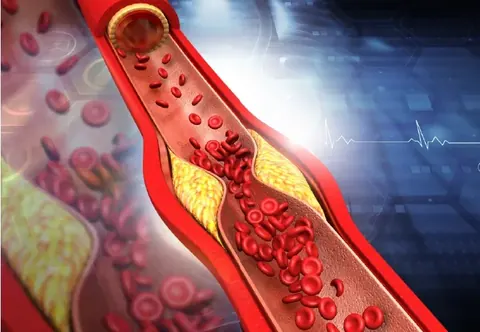
This refers to high blood cholesterol or triglyceride levels, or low HDL cholesterol levels. Total cholesterol, LDL, HDL, and triglycerides are checked through blood tests. LDL can build up in artery walls and is associated with atherosclerosis, while HDL transports cholesterol to the liver. Triglycerides are a type of fat used for energy storage.
How are lipid levels and treatment goals interpreted?
Triglycerides below 150 mg/dL are considered within the desirable range, while 150–199 mg/dL is considered borderline. Results including LDL and HDL are interpreted together with cardiovascular disease, diabetes, kidney disease, and other risk factors. The same LDL target does not apply to everyone; your doctor determines the treatment goal according to your individual risk. Follow the testing instructions regarding fasting and the need for repeat testing.
What are the causes, complications, and management of dyslipidemia?
Genetic factors, obesity, alcohol use, diabetes, other diseases, and medications may be involved. Atherosclerosis increases the risk of angina, myocardial infarction, and stroke, while very high triglyceride levels also increase the risk of acute pancreatitis. Practice dietary control, exercise, weight management, smoking cessation, and limiting alcohol; if necessary, medication and follow-up blood tests are performed.
What tests are used to check for thyroid disease?
Thyroid function is evaluated through blood tests checking necessary items such as thyroid-stimulating hormone (TSH), T3, T4, and free T4. Ultrasound is used to observe the structure of nodules, including their size, shape, and location. If cancer is suspected, nodules may be evaluated with pathological tests such as fine-needle aspiration cytology when necessary. The choice of tests and whether referral is needed are determined according to the clinical findings.
What symptoms do hyperthyroidism and hypothyroidism cause?
Hyperthyroidism may cause increased sensitivity to heat, increased sweating, increased appetite, weight loss, fatigue, and a rapid heartbeat due to excess hormone production. Some diseases are accompanied by eye symptoms. Hypothyroidism may cause low energy and motivation, sensitivity to cold, swelling, weight gain, constipation, reduced memory, and irregular menstruation. Symptoms and blood test results are assessed together.
How are thyroid nodules and thyroid cancer managed?
Thyroid nodules are common, and most are benign; they may not cause symptoms. The necessary tests and follow-up plan are determined after evaluating their size, shape, changes, and risk. Thyroid cancer may also occur without symptoms. Seek medical attention if you have a lump in the neck, a foreign-body sensation or pain, a hoarse voice, or changes in size. Not all nodules are tested at the same intervals or treated immediately.
Liver Disease and Lifestyle Management
Liver Health · Testing · Prevention
Liver disease may occur without symptoms. Have your test results and lifestyle habits reviewed together, and consult your doctor about a chronic disease management plan during your appointment.
What does the liver do, and what diseases can affect it?
The liver is involved in the metabolism of nutrients such as carbohydrates, proteins, and fats, as well as detoxification, bile production, and bilirubin metabolism. Common diseases include viral hepatitis A, B, and C, chronic hepatitis, alcohol-related and metabolic fatty liver disease, cirrhosis, and liver cancer. Pain in the upper right abdomen may occur, but there may be no symptoms until the disease progresses.
How are liver disease testing and hepatitis vaccinations performed?
Necessary tests include blood tests for liver enzymes and liver function, hepatitis virus antigen and antibody tests, and liver ultrasound. Vaccination against hepatitis A and B is determined after checking infection status, immunity, previous vaccination history, and risk factors. People at high risk for liver cancer should confirm a regular screening plan with their doctor. Treatment for hepatitis or fatty liver disease varies according to the cause and degree of progression.
How can liver health be managed?
If you have liver disease, avoid alcohol and consult your doctor about an individual abstinence plan. Manage metabolic risk through an appropriate weight, regular exercise, and a balanced diet. Fatty liver disease is associated with multiple causes, including alcohol use, obesity, and diabetes; some cases may progress to liver fibrosis or cirrhosis, requiring evaluation and follow-up management. Tell your doctor about any medications, supplements, or health foods you take.
What practices are common to chronic disease management?
Practice smoking cessation, limiting alcohol, improving eating habits, managing stress, regular screening based on family history and genetic risk, maintaining an appropriate weight, exercising regularly, eating balanced meals at regular times, taking prescribed medication, and seeking early medical care. Record your symptoms, test results, and medications to share at your appointment, and confirm your testing and treatment schedule with your doctor.