We provide information from who should undergo the examination through preparation, cost, and post-examination care. Please follow the individual preparation instructions provided when making your appointment first.
What does an upper endoscopy check?
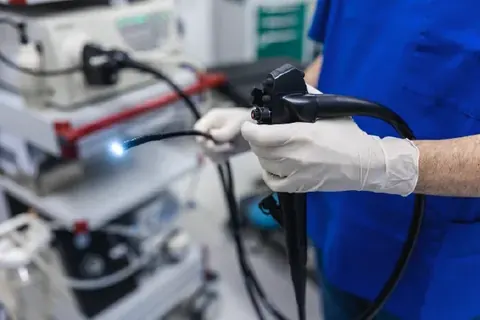
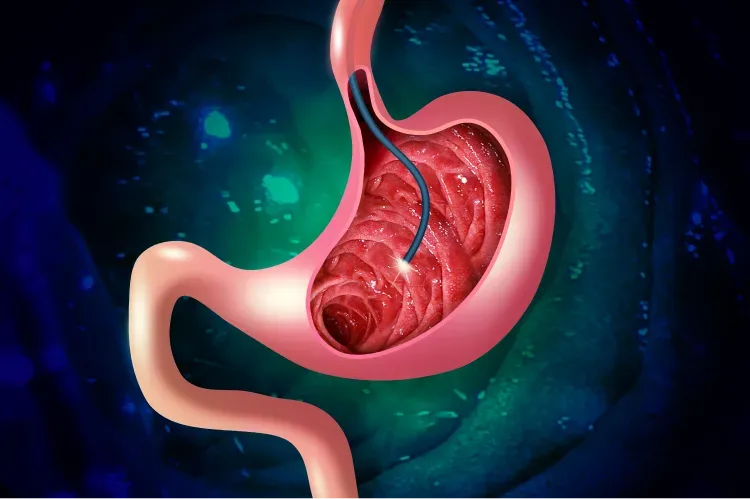
Using an endoscope, we observe the mucous membranes of the esophagus, stomach, and duodenum to check for abnormalities such as esophagitis, gastritis, peptic ulcers, polyps, and tumors. When necessary, we perform a biopsy and Helicobacter pylori test. Additional procedures such as polyp removal, foreign-body removal, and hemostasis for bleeding are determined according to the lesion and the patient's condition.
What symptoms should prompt a consultation?
If heartburn, upper abdominal discomfort after meals, or indigestion persists, or if you have a history of stomach disease or stomach surgery, consult a doctor about whether an examination is needed. If you vomit blood or have black stools accompanied by dizziness, you should be evaluated at a medical institution without delay. Please also inform us of your family history and previous endoscopy and biopsy results.
How often should I undergo the examination?
The national stomach cancer screening program is conducted every 2 years for people aged 40 and older. If you have a family history of stomach cancer, atrophic gastritis, intestinal metaplasia, or a history of previous lesions or treatment, the examination interval may be determined separately. The same interval does not apply to everyone; the interval is decided after reviewing previous results with the medical staff.
How should I prepare for fasting before the examination?
For a morning examination, stop eating after 9 p.m. the night before, and follow the fasting period provided according to your appointment time and examination type. Confirm the time to stop drinking water for an afternoon examination when making your appointment. Avoid chewing gum, candy, and smoking while fasting, and it is advisable to avoid alcohol and greasy foods for 2–3 days before the examination.
What should I do about the medications I am taking?
When making your appointment, inform us about any medications you are taking, including blood pressure medication, diabetes medication, insulin, anticoagulants, antiplatelet agents, and supplements. An individualized medication plan will be provided considering fasting and the risk of bleeding. In particular, do not stop medications that affect blood clotting on your own; follow the instructions of the prescribing medical professional and the medical staff performing the examination.
Can I go home or drive immediately after sedated endoscopy?
After an examination using sedatives, you will leave after your recovery has been checked. Arrange for a guardian to accompany you, and avoid driving, operating machinery, drinking alcohol, and making important decisions on the day of the examination. Inform us in advance about existing medical conditions, drug allergies, and any previous adverse reactions during sedated examinations.
How should I manage eating and abnormal symptoms after the examination?
Considering the throat anesthesia and procedures performed during the examination, start eating after the time specified in the instructions has passed. If a biopsy or polyp removal was performed, separate instructions will be provided regarding food and activity restrictions. If you have severe abdominal pain, vomiting blood, persistent black stools or bloody stools, dizziness, or fever, contact the hospital or receive emergency care.
How much do upper endoscopy and sedation cost?
The non-covered upper endoscopy fee is 80,000 won, and the upper endoscopy sedation fee is 40,000 won. The examination fee and sedation fee are separate items, and the actual amount you pay may vary depending on insurance coverage and additional procedures such as biopsy, Helicobacter pylori testing, and polyp removal. Confirm whether you have a national screening appointment and the estimated cost at 02-6958-7070.