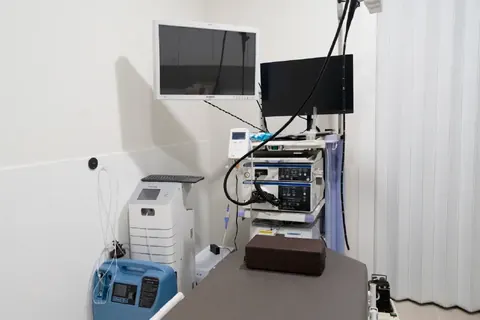
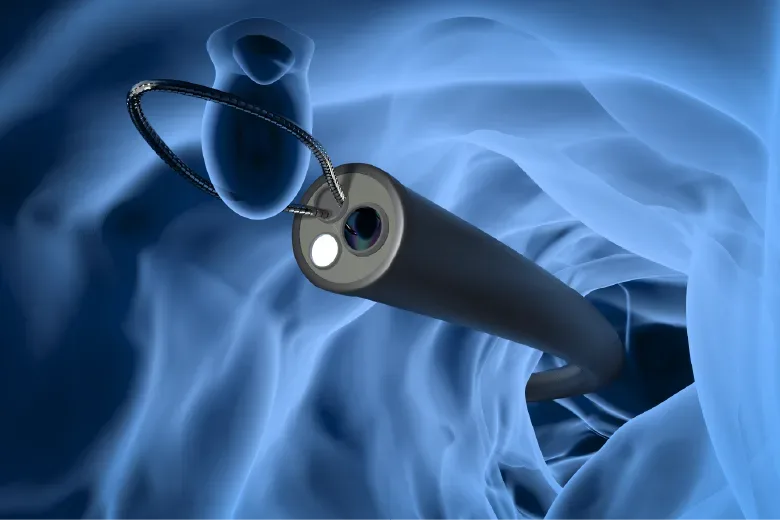
Whether treatment can be performed on the day of the examination and the recovery period vary depending on the lesion and the patient’s condition. Please follow the individual instructions provided after the procedure.
What is a colon polyp?
A lesion in which the colon lining grows abnormally and protrudes into the inside of the intestine is called a colon polyp. There are various types, including lesions such as adenomas that may progress to cancer, as well as hyperplastic and inflammatory polyps. Risk cannot be determined solely by appearance; removal and follow-up examination plans are decided by considering the size, location, pathology results, and other factors.
Can a polyp be removed on the day of a colonoscopy?
Polyps found during the examination can be removed endoscopically. However, whether removal is possible on the same day is determined by the medical staff based on the polyp’s size, location, and number; the anticipated risk of bleeding; medications being taken; and the patient’s condition. Large or complex lesions may require a separate procedure, hospitalization, or care at a higher-level medical institution.
Is pathology testing performed after a polyp is removed?
The removed lesion may undergo pathology testing, as needed, to determine its type and risk level. Even after polyp removal, you should receive a consultation about the results. The timing of the next colonoscopy is determined by considering the number and size of polyps, the pathology results, whether they were completely removed, and the state of bowel preparation at the time of the examination. Follow-up intervals are not the same for every patient.
What should I do about eating and activities after the procedure?
After you are instructed that fasting restrictions have been lifted, start with soft, easily digestible foods. Depending on the extent of removal and your recovery, you will receive individual guidance on the duration of dietary and activity restrictions. Avoid alcohol, irritating foods, strenuous exercise, and saunas during the instructed period. Additional medication or hospitalization may be required after removal of a large polyp.
When can I take my medications again?
For anticoagulants, antiplatelet drugs, and nonsteroidal anti-inflammatory drugs, both the risk of bleeding and the need to treat the underlying condition must be considered. Follow the instructions from the prescribing physician and the physician performing the procedure regarding when to stop and restart these medications. Do not stop medications on your own or stop all medications for two weeks as a general rule.
What symptoms require immediate medical attention?
Delayed bleeding may occur several days after polypectomy, even if there were no problems immediately after the procedure. If persistent or heavy bloody stools or black stools, severe abdominal pain, fever, dizziness, or fainting occurs, contact the hospital immediately or seek emergency medical care. Tell the medical staff that you recently underwent polypectomy and provide information about the medications you are taking.
How can I check the cost of polypectomy?
The cost varies depending on the number and size of polyps, the removal method, pathology testing, and insurance coverage. The non-covered cost of colonoscopy is 100,000 won, and the colonoscopy sedation fee is 60,000 won; the costs of polypectomy and pathology testing must be confirmed separately. For an estimated cost and the schedule for a consultation about the results, please contact 02-6958-7070.