Fracture risk is not determined for everyone based on bone density values alone. Age, fracture history, medications, and underlying conditions are evaluated together.
Which areas are examined, and how long does it take?
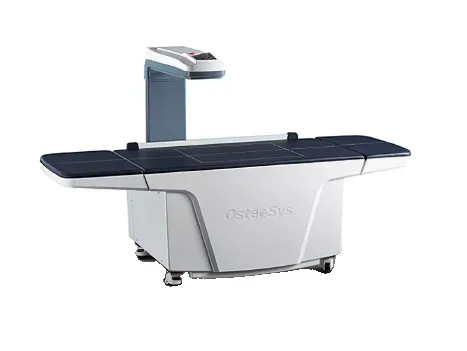
Bone density in the lumbar spine and femur, which is used to evaluate osteoporosis, is measured. The test itself is 안내되 as taking less than about 10 minutes, but the total visit time, including preparation and consultation, may vary. If you have previous bone density test results or a history of fractures or surgery, please let us know as well.
How are T-scores interpreted?
In postmenopausal women and men aged 50 or older, T-scores are primarily used for interpretation. In general, a T-score of -1.0 or higher is classified as normal, a T-score above -2.5 and below -1.0 as low bone mass (osteopenia), and a T-score of -2.5 or lower as osteoporosis. Because the measurement site, test quality, and fracture history must also be checked, please discuss the results with a medical professional.
Does a low Z-score mean osteoporosis?
In premenopausal women, men under 50, and children and adolescents, Z-scores, which are primarily compared with people of the same age, are referenced. A Z-score of -2.0 or lower indicates bone density below the expected level for age. Osteoporosis is not diagnosed based on the value alone; additional evaluation, including fracture history and underlying conditions, is needed.
What risks are associated with osteoporosis?
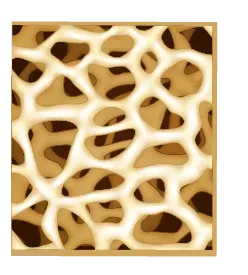
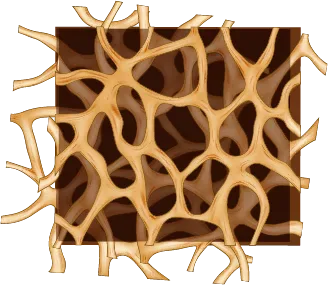
Osteoporosis can progress without symptoms but increases the risk of fractures of the spine, hip, wrist, and other areas. If you have experienced a fracture, the risk of another fracture and the risk of falls should be evaluated together. Seek medical attention if you have sudden back or lower back pain, a decrease in height, or pain after a minor impact.
How are treatment and regular follow-up tests managed?
Depending on the clinical findings, medication such as antiresorptive agents and bone-forming agents, as well as evaluation of vitamin D status, may be considered. Diet, exercise, and fall prevention are also managed together. Blood tests and follow-up bone density tests are planned individually according to age, initial bone density, fracture risk, and type of treatment.
What should I tell you before the test?
Please inform us in advance if you are pregnant or may be pregnant. Tell us whether you have recently undergone a contrast-enhanced test or other imaging test, whether you have had surgery or metal implants in the spine or femur, and about your medications and previous fracture history. You will receive information about individual preparations, such as whether fasting is required, when you make your appointment.
How much does a bone density test cost?
The non-covered bone density test fee is 50,000원. The actual out-of-pocket cost may vary depending on eligibility by age for the National Health Screening Program or insurance coverage based on a disease or treatment. Confirm test appointments and costs at 02-6958-7070.