The necessary examination and timing of the next examination are determined based on the purpose of the examination and previous results.
How is an ultrasound examination performed?
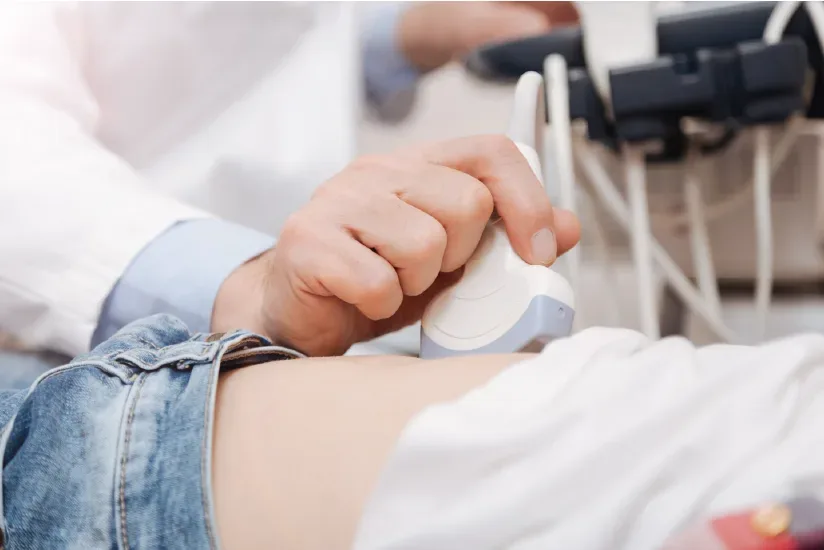
Gel is applied to the examination area, and the probe is placed against it to check the returning ultrasound signals in real-time images. This is not an examination that uses radiation; depending on the area being observed and the purpose of the examination, you may need to change position or control your breathing. If images are limited due to intestinal gas, body type, or other factors, other examinations may also be considered.
Which areas are examined, and what is checked?
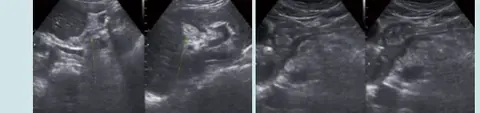
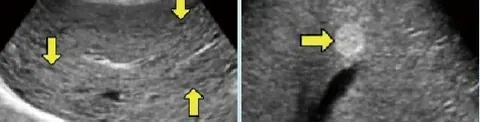
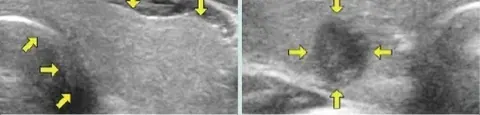
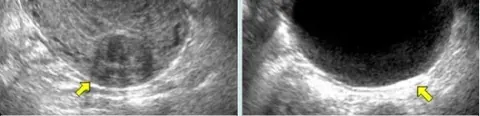
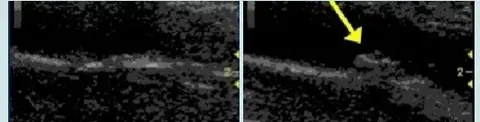
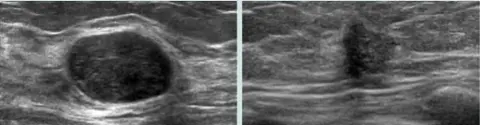
Upper abdominal ultrasound evaluates tumors and inflammation of the liver, gallbladder, bile ducts, pancreas, kidneys, and spleen; the liver is evaluated for fatty liver, cysts, cirrhosis, hemangiomas, chronic hepatitis, and other conditions. The thyroid is examined for nodules and cervical lymph nodes, and the lower abdomen is examined for the bladder, prostate, uterus, and ovaries. The carotid arteries are examined for the vessel walls, blood flow, stenosis, and other findings, while the breasts are checked for abnormal findings such as masses. Echocardiography evaluates the structure and function of the heart. Observed abnormalities do not mean a definitive diagnosis, and additional examinations and biopsies may be performed as needed.
When should I have an ultrasound if I have chronic liver disease?
The follow-up examination interval varies depending on the type of liver disease, whether cirrhosis is present, and the examination results. People aged 40 or older who are at high risk for liver cancer and are eligible for national liver cancer screening receive liver ultrasound and blood tests (serum alpha-fetoprotein testing) every 6 months. The same interval does not apply to all people with fatty liver or chronic liver disease, so please confirm your individualized examination plan with your healthcare provider.
How often are follow-up examinations performed after cancer surgery or for benign breast disease?
After cancer surgery, the type and interval of examinations are determined according to the type and stage of cancer and the course of treatment. The follow-up examination schedule for benign breast findings also varies depending on imaging interpretation, symptoms, and whether there have been changes. Bringing previous images and reports can help with comparison. If new symptoms occur before the scheduled interval, please consult a physician.
How are mammography and breast ultrasound different?
Mammography compresses the breast and uses X-rays to take images, checking for findings such as microcalcifications that may appear in early lesions. Usually, each breast is imaged in two directions. Breast ultrasound is used as an additional examination to evaluate findings such as masses and does not routinely replace mammography. National breast cancer screening provides mammography every 2 years for women aged 40 or older. If you have symptoms or are at high risk, consult a physician about the examination method and interval.
What breast symptoms require medical attention?
Even without pain, please consult a physician if you have a newly palpable lump, changes in the breast skin, changes in breast size or shape, or nipple discharge. Do not wait only for the recommended age or regular screening schedule; tell your healthcare provider about your symptoms, previous examination results, and family history.
What preparations are needed before an ultrasound examination?
Fasting may be required for upper abdominal ultrasound, and for examinations of the bladder or pelvic area, you may be instructed to prepare by holding your urine. If you have another examination, such as endoscopy, on the same day, the examination order and preparations may differ, so confirm the examination area and details when making your appointment. Also inform us about your medications, whether you are pregnant, and previous examination results.
Where can I check the costs of ultrasound and mammography?
Out-of-pocket costs by examination area can be found on the non-covered medical expenses page. Whether national screening or health insurance applies, and the actual amount you pay, may vary depending on the purpose of the examination and the conditions of care. Please provide the examination area and inquire at 02-6958-7070.